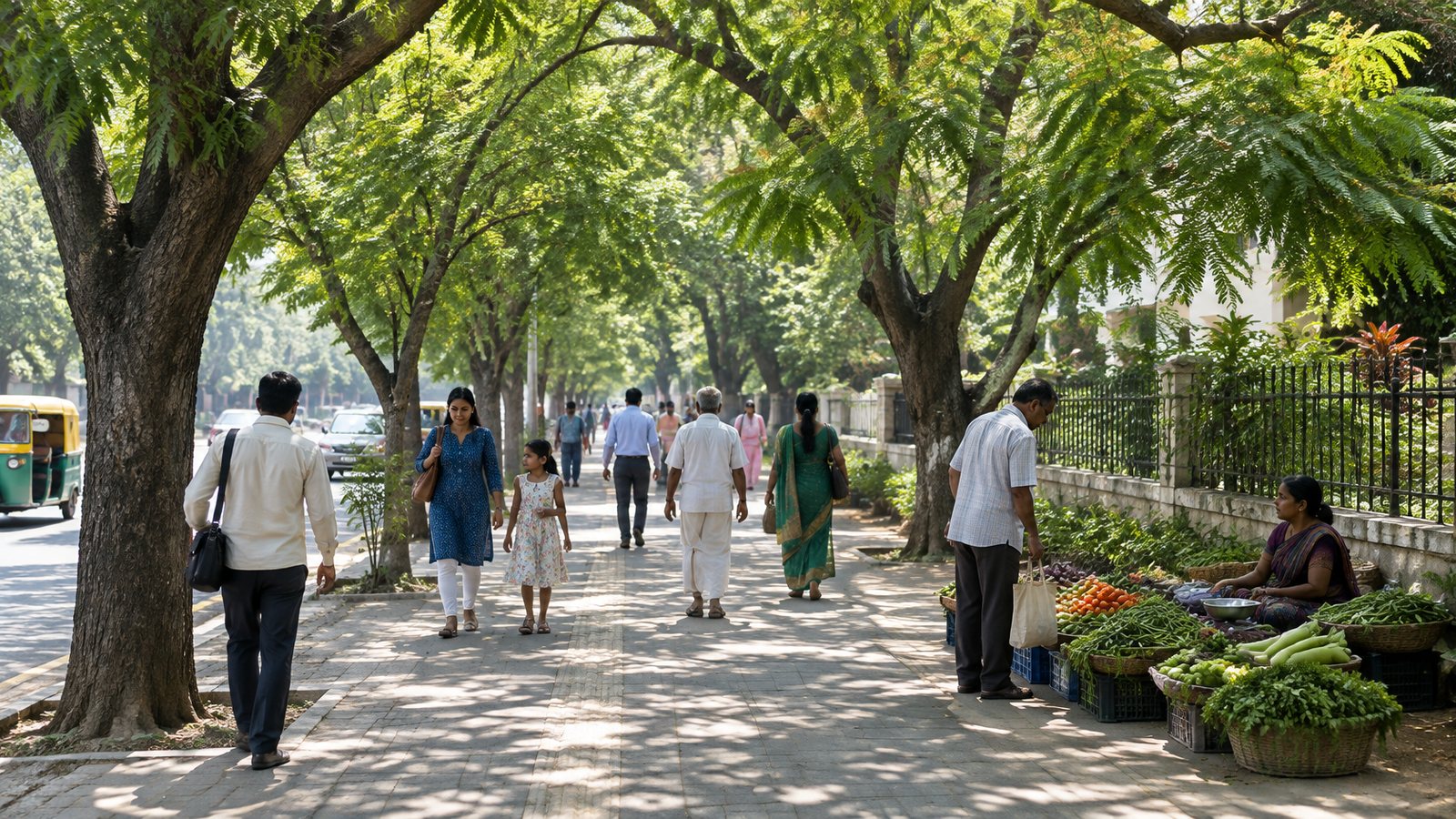
Stand on a concrete street at 2 p.m. in May and then step under a big neem or rain tree. You don't need a thermometer to feel the difference. Our grandparents knew it — every old Indian town had trees where people sat, talked and sold things.
Then roads were widened, trees were cut for cables and parking, and today many city streets have no shade at all.
What the research says
A 2026 study by the policy group Artha Global surveyed over 2,300 households across all 70 assembly constituencies of Delhi and combined it with satellite data. It found that raising green cover in an area from about 3% to 11% lowered the heat residents actually feel by around 1°C — and that greenery's cooling effect was nearly double the warming effect of adding concrete.
One degree might sound small. On a street where people walk, wait and work all day, it is the difference between bearable and unbearable — for the vegetable seller, the delivery rider, the child walking to school.
A tree is the only piece of street furniture that gets better every year.— MIB Stories
Right tree, right place
Researchers are also clear that greening must be planned, not random. A University of Cambridge study warned that the wrong trees in the wrong place can even keep cities warmer at night by trapping heat. That is why a designer's eye matters:
- Choose native, wide-canopy trees that suit the local climate and don't need constant watering.
- Plant where people stand and walk — bus stops, footpaths, vendor lines, school gates.
- Leave room for roots and for air to move. A tree choked in concrete stays small and sick.
- Mind the wires and drains. Plan with the ward office so trees aren't cut back later.
Saplings die. Care keeps them alive.
Every monsoon, thousands of saplings are planted for photographs — and many are dead by winter. A tree needs a guard, water in its first dry seasons, and someone who notices when it's damaged. That is the part most drives forget.
On an MIB street, trees are part of the design and the care plan. Residents adopt the trees outside their gates; the MIB Care Team checks and waters them through the first years.
Start with your street's hottest spot
Where on your street do people suffer most in summer — the bus stop, the auto stand, the vendor line? Photograph it at 2 p.m. and add it to your Street Pledge. That is where the first tree should go.
Sources
- Adding 8% more green cover can cool Delhi neighbourhoods by 1°C — Down To Earth
- Wrong trees in the wrong place can make cities hotter at night — University of Cambridge
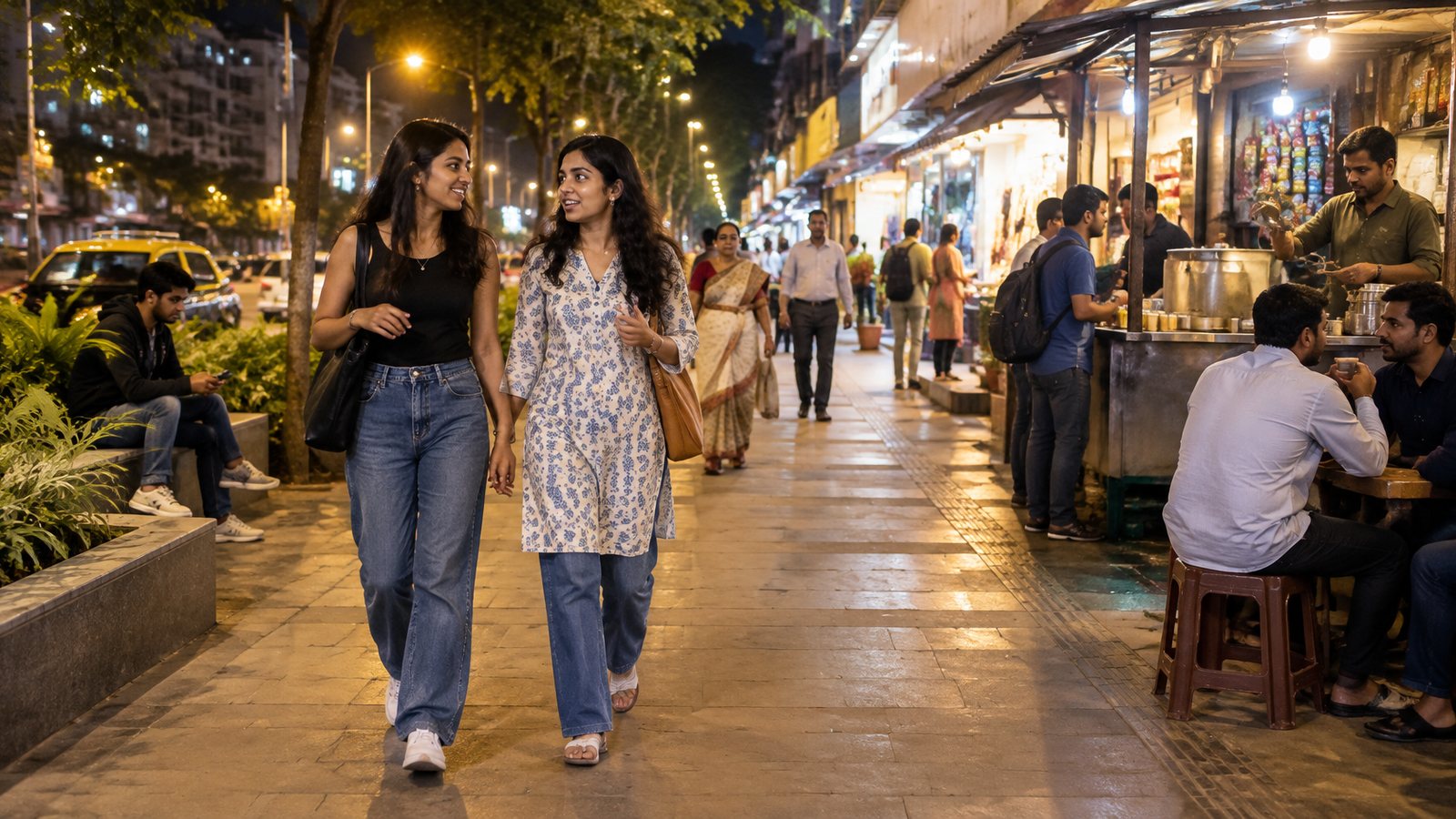
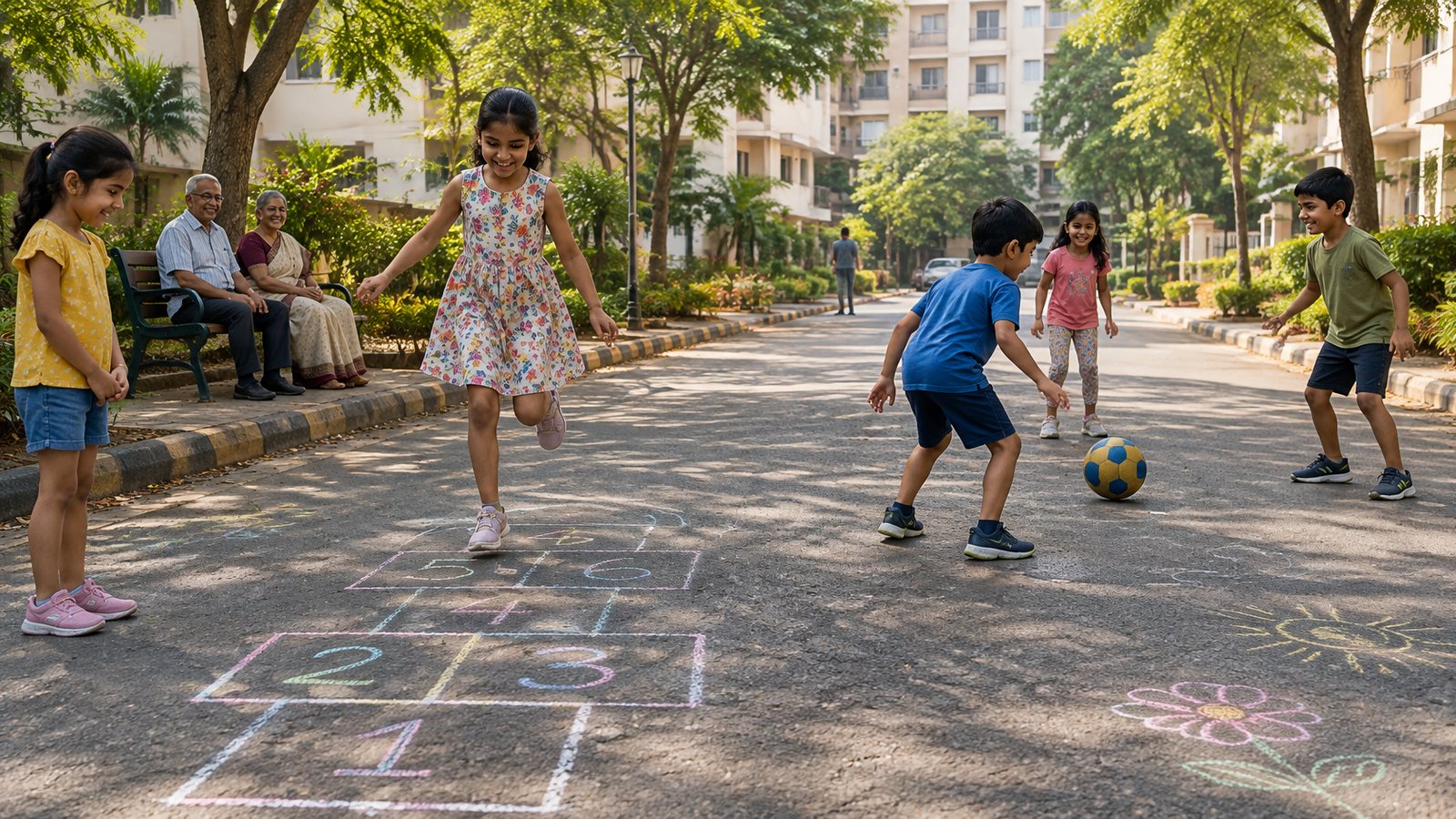
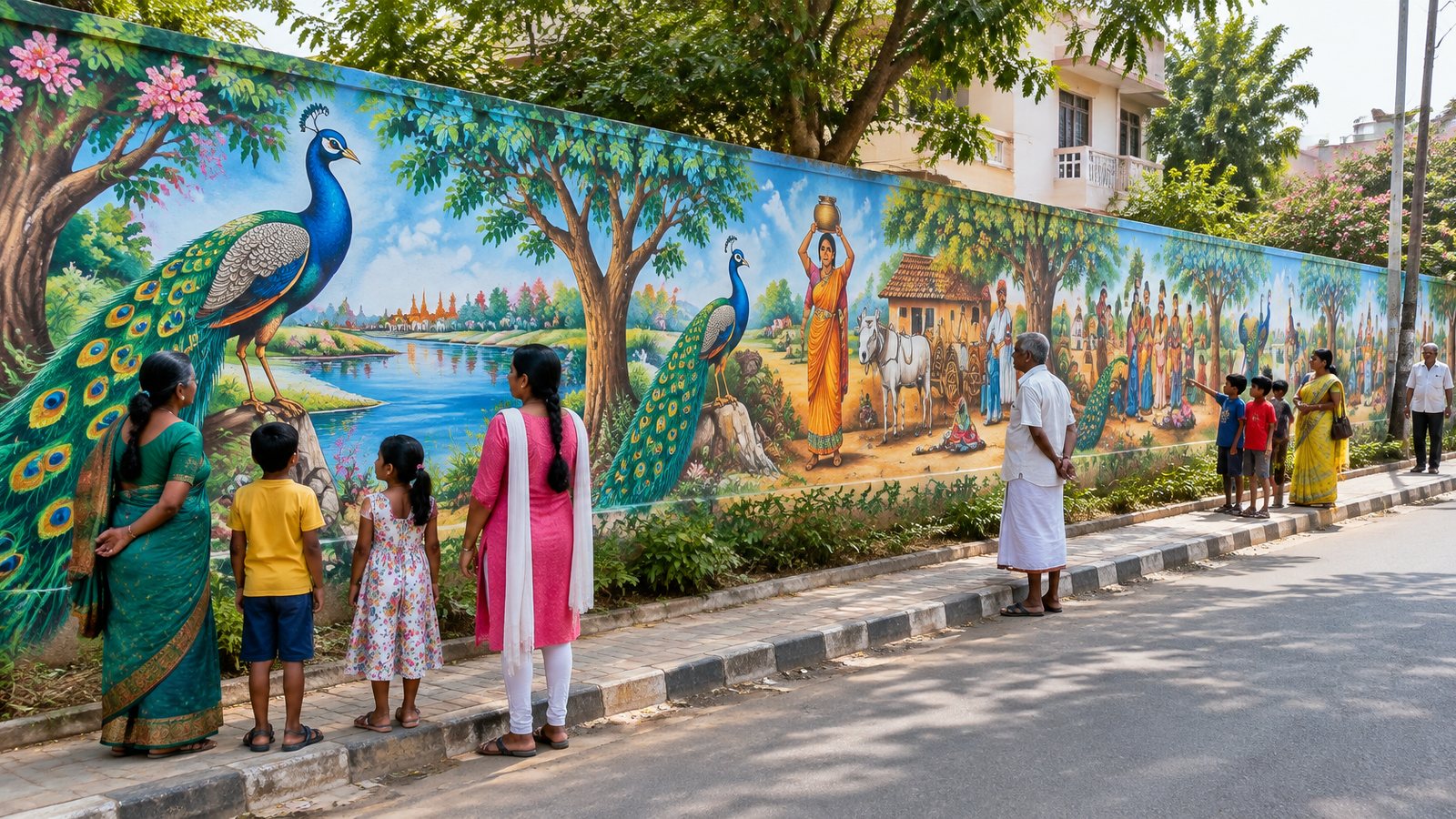
Pictures on this page are illustrations and MIB design visions, not photographs of the places named.